
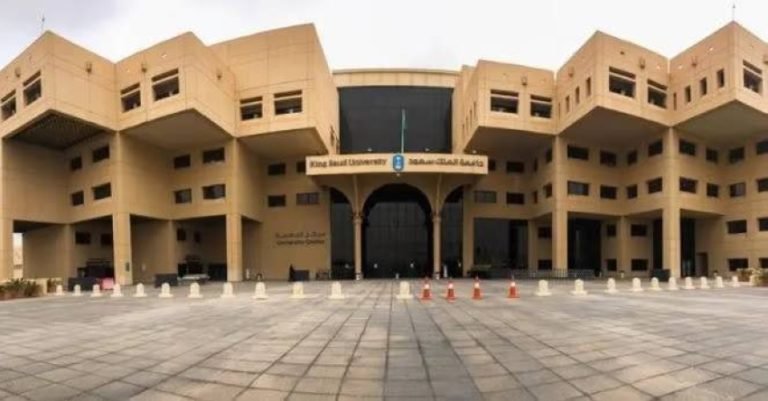
King Saud University Launches Fifth International Camel Conference to Strengthen Arab Cultural Identity
King Saud University is preparing, in partnership with the King Salman Global Academy for Arabic Language, to launch the fifth edition of the "International Conference on Camels in Arab Culture" next Tuesday, with 37 researchers from Saudi Arabia and abroad taking part. Running over three days, the conference aims to deepen literary and cultural scholarship on camels and highlight their central role in Arab heritage and cultural identity.
Conference Themes
The conference will address several key themes covering the cultural and economic dimensions of camels, most notably:
- Camels and cultural heritage: folk heritage, historical and geographical dimensions, rock carvings and archaeological remains.
- Camels and the Arabic language: their presence in the Arabic lexicon and national identity.
- Camels in literature: their place in Arabic poetry, storytelling and biography.
- Camels in world cultures: a look at their presence in other literatures and cultures.
- Camels and the national economy: their role in achieving the goals of Saudi Vision 2030, including investment, industry, tourism, festivals and camel racing.
Strengthening Cultural Identity
Dr. Hajed Al-Harbi, head of the Arabic Language and Literature Department and chair of the conference, said this edition aims to highlight the link between past and present and shed light on the role camels have played in shaping Arab cultural and civilizational identity. He added that the conference aligns with the goals of Saudi Vision 2030, which seeks to strengthen the cultural elements that define Saudi identity.
Camels and Arab Heritage
For his part, Dr. Ibrahim Al-Furaih, the conference's secretary, explained that camels are not merely a part of Arab heritage but a genuine building block of Arab literature and cultural thought. He added that the conference sheds light on the civilizational legacy tied to camels across the ages, whether in literature and poetry, inscriptions and archaeological remains, or the daily life of early Arabs.
Supporting Cultural Heritage
This edition of the conference is part of King Saud University's wider efforts to strengthen national cultural identity and the scholarly movement aimed at preserving the tangible and intangible heritage of Arab civilization.