
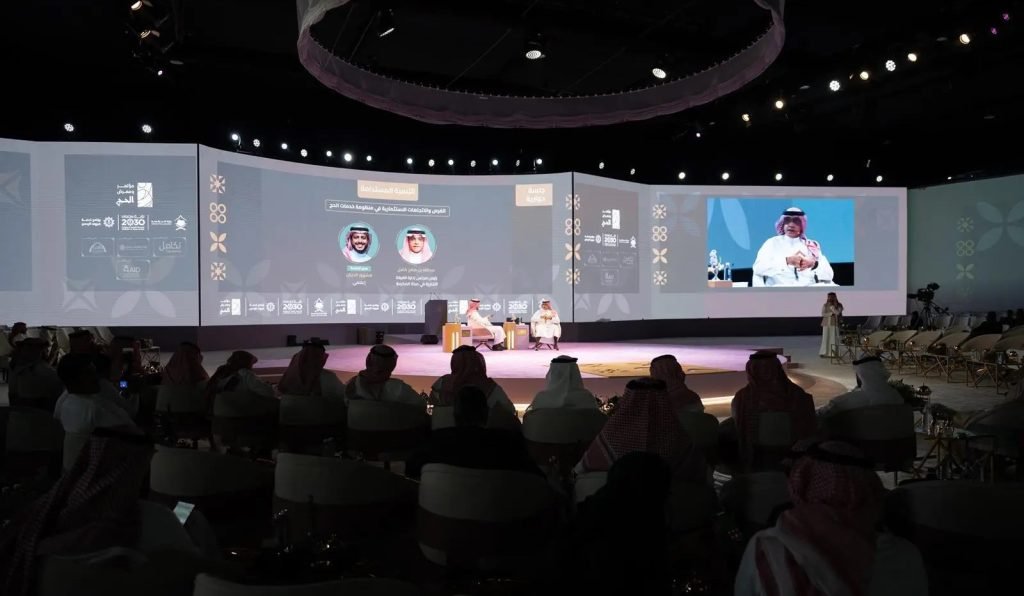
Hajj 2025 Conference Closes With Sessions on Hajj Services and the Evolving Ecosystem
The Hajj Conference and Exhibition 2025 concluded its work today, January 16, with distinguished dialogue sessions focused on improving the Hajj services ecosystem and developing infrastructure, with participation from leading experts and public- and private-sector figures. The sessions highlighted growing investment trends, digital transformation and sustainability in Hajj services, in line with Saudi Vision 2030.
Highlights of the Closing Day's Sessions
1. The Shift Toward Smart Cities in Hajj
The sessions opened with a discussion covering:
- Smart-city strategies: applying modern technologies to develop facilities and infrastructure.
- Smart solutions: improving the management of facilities, transport and energy to achieve high sustainability and efficiency.
2. Integrating Technology and Financial Solutions
The main session focused on:
- Digital wallet technologies: easing pilgrims' financial transactions with secure, fast electronic payment systems.
- The role of central banks: regulating digital financial services and ensuring their efficiency.
3. Sustainability of Development Projects in the Hajj Sector
The session discussed:
- Investment opportunities: improving infrastructure and facilities.
- Comprehensive development: achieving sustainable economic, environmental and social returns from Hajj investments.
4. Crowd Management and Proactive Planning
Eng. Hani bin Ahmed Dahan presented a session on:
- Crowd-management strategies: improving the pilgrim experience at the Two Holy Mosques and the holy sites.
- Developing hospitality services: the role of leading companies in offering innovative solutions that meet pilgrims' needs.
5. The Role of the Non-Profit Sector in Hajj Services
The closing session covered:
- Endowment-sector contributions: supporting the development of Hajj services.
- Community integration: examples of effective initiatives from endowment and non-profit organizations.