
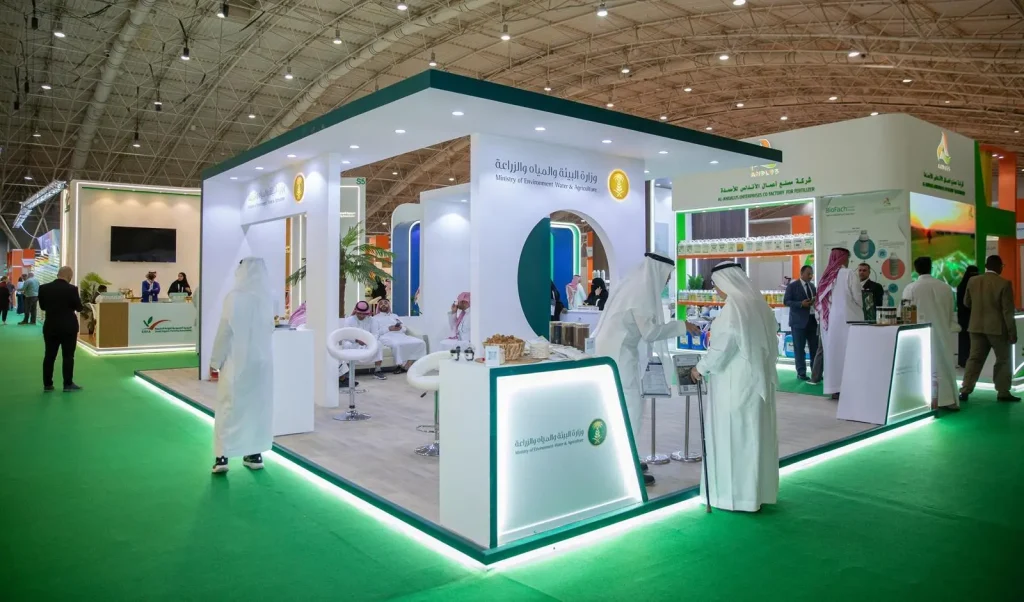
Deputy Environment Minister Opens Fourth Edition of "BioFach Saudi Arabia 2025" With Wide International Participation to Support Sustainable Organic Farming
Riyadh — 19 Jumada al-Awwal 1447 AH / 10 November 2025.
Deputy Minister of Environment, Water and Agriculture Eng. Mansour bin Hilal Al-Mushaiti today opened the fourth edition of the Saudi International Organic Products Exhibition, "BioFach Saudi Arabia 2025," one of the world's most important exhibitions specialized in organic products, aiming to support and strengthen the organic farming sector and attract investors and those interested in sustainable agricultural practices.
The exhibition is held at the Riyadh International Convention and Exhibition Center over three days, with the participation of more than 53 exhibitors from 9 countries, showcasing the latest innovations and technical solutions in organic production, from startups, manufacturers and farmers to academic and consulting institutions.
The Deputy Minister toured the exhibition's pavilions, learning about the innovative organic products and environmentally friendly agricultural practices presented by participating entities, affirming that the Kingdom is moving forward in achieving the goals of Vision 2030 by boosting organic production and expanding the investment base in this vital sector.
This year's fourth edition of "BioFach Saudi Arabia" is held in strategic partnership with the Saudi Organic Farming Association, coinciding with the celebration of Organic Food Day, and features specialized workshops discussing the key challenges and opportunities in the organic sector, with local and international speakers exchanging expertise and showcasing the latest technical and practical solutions in sustainable agriculture.
The Kingdom's organic farming sector is witnessing rapid growth; the Ministry of Environment, Water and Agriculture's executive action plan for organic farming policy has contributed to qualitative leaps, with organic production rising 115% between 2018 and 2024, from 45,630 to 98,250 tons. The area cultivated organically also grew by 29% to reach 24,062 hectares, while the number of organic farmers rose from 175 to 550, reflecting the Kingdom's positive shift toward clean, sustainable agriculture.