
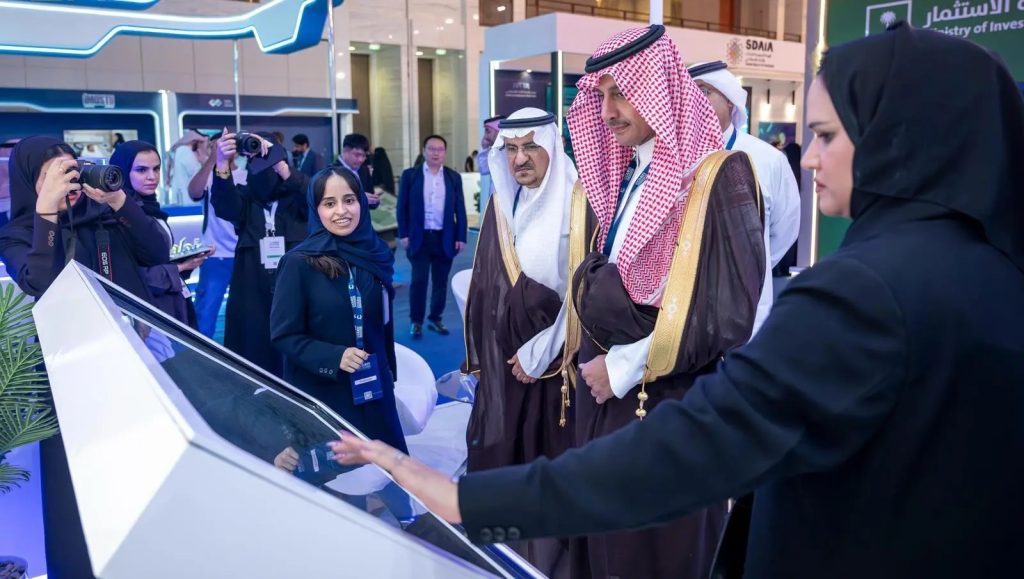
Virtual Autism Clinic Highlights AI and Genetic Testing Solutions at 2026 Riyadh Global Biotechnology Conference
The Virtual Autism Clinic, one of the projects of the Autism Families Association, is participating in the fourth edition of the 2026 Riyadh Global Biotechnology Medical Conference, showcasing a range of digital and research solutions aimed at developing evaluation and care services for individuals with autism spectrum disorder and their families.
The participation is part of the conference held in Riyadh from September 14 to 16, 2026, organized by the Health Affairs of the Royal Guard Ministry, represented by the King Abdullah International Research Institute (KAIRI), in strategic partnership with the Ministry of Investment.
The clinic presents a range of solutions related to autism spectrum disorder, including genetic testing and diagnostics, alongside a heat map tracking autism services in different regions of the country, and specialized AI technologies for data analysis.
These technologies aim to leverage data and digital tools to improve evaluation processes and develop care models, helping to provide more personalized services to beneficiaries and supporting families in accessing solutions based on modern technologies and innovations.
AI and Data in Service of Autism
Prince Saud bin Abdulaziz bin Farhan, President of the Autism Families Association, emphasized that the clinic's presence at the conference reflects the growing interest in autism spectrum disorder, extending beyond care and rehabilitation services to scientific research, innovation, and technology.
The conference provides the clinic with a platform to engage with researchers and investors, exploring new partnerships that can leverage data and modern technologies to innovate more sustainable and personalized services for individuals with autism and their families.
The participation focuses on enhancing local research in autism and developing related databases, as well as building partnerships with universities and research centers, helping to produce knowledge based on local data and a more accurate understanding of needs, and developing appropriate solutions.
The clinic also explores opportunities for collaboration in assistive technologies, AI, assessment tools, and digital solutions for families, as well as training, research, and development, aiming to contribute to the development of local solutions that can be scaled and utilized regionally.
The participation reflects the growing presence of technological and data solutions in healthcare and research fields, in line with the Kingdom's efforts to support the biotechnology ecosystem and enhance research and innovation to develop advanced health solutions.

