
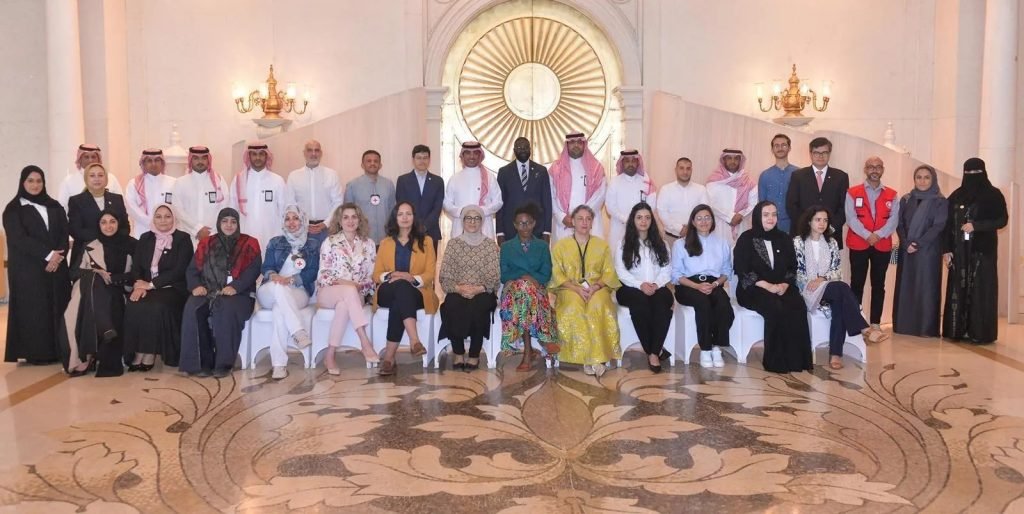
Near and Middle East Family Links Network Regional Conference 2024 Concludes: Boosting Data Protection and Supporting Separated Families
The Regional Conference of the Family Links Network for the Near and Middle East 2024 concluded today, organized by the Saudi Red Crescent Authority in cooperation with the International Committee of the Red Cross. The three-day conference, held in Khobar in the Eastern Province from November 11-13, marked the first time the Kingdom has hosted such an event, with broad participation from representatives of Red Crescent and Red Cross societies and ICRC offices from across the region, alongside the International Federation of Red Cross and Red Crescent Societies.
The conference's final day focused on reviewing the 2020-2025 Restoring Family Links Strategy, discussing its updates and objectives, with an emphasis on protecting individuals through the protection of their personal data. The session also highlighted the principles and methods followed by family-links protection programs and initiatives, and the delivery of appropriate services to meet the needs of the most vulnerable groups, particularly children and detainees.
Sessions addressed a number of pressing issues, including the impact of climate change, rising conflicts, and digital innovations, while stressing the need to protect data and maintain strict standards when sharing it. Discussions also focused on integrating family-links programs into emergency response plans to help provide effective support to separated families and missing persons.
The conference concluded with a set of recommendations to be included in the final record, which will be circulated to and endorsed by all participating entities. The recommendations included strengthening coordination among the components of the international movement to achieve an integrated response and ensure separated families receive support and answers about the fate of their loved ones.
The conference featured a series of meetings and workshops that facilitated the exchange of knowledge and expertise among participants, addressing both the theoretical and practical dimensions of the international movement's response in the field of family links, with the aim of improving humanitarian response and supporting families facing exceptional circumstances.