
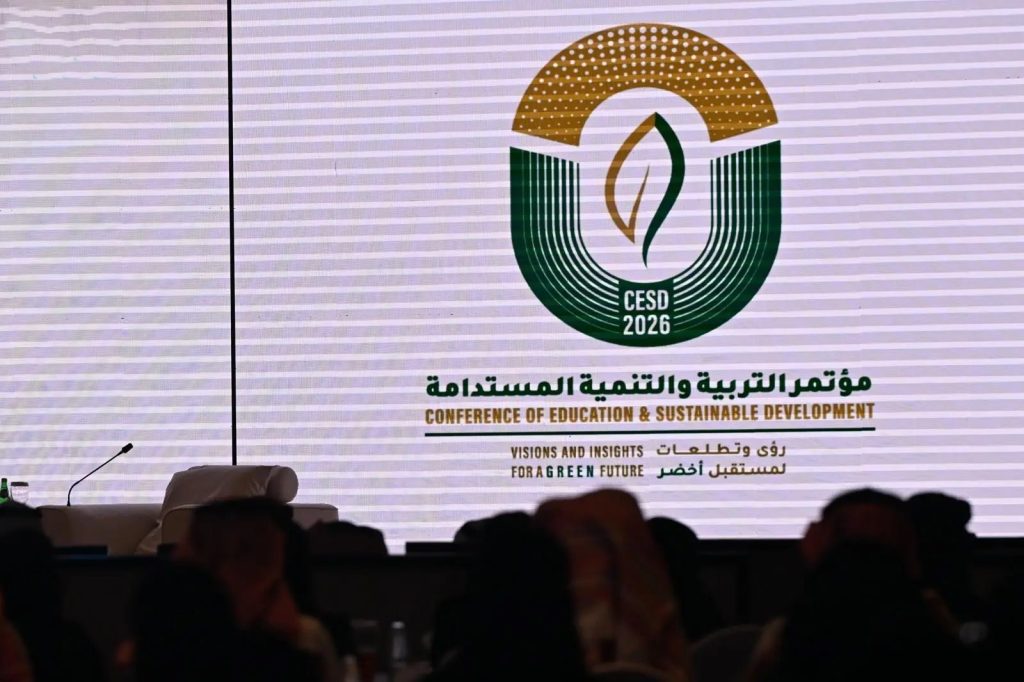
University of Tabuk Opens "Education and Sustainable Development" Conference with Leading Experts to Advance Sustainable Educational Transformation
The "Education and Sustainable Development" conference opened today at the University of Tabuk under the patronage of HRH Prince Fahd bin Sultan bin Abdulaziz, Governor of the Tabuk Region, and in the presence of university president Prof. Abdulaziz bin Salem Al Ghamdi, along with a number of officials, experts and researchers from inside and outside the Kingdom.
The two-day conference at the Grand Millennium hotel discusses a set of scientific themes on integrating sustainability into education and strengthening the role of academic institutions in supporting the shift toward more efficient and innovative education systems.
The opening sessions presented applied experiences in sustainable education, including "Sustainable Development in Education: The Riyadh Education Department as a Model", which focused on successful institutional practices in the field. Another session discussed "Green Leadership as a Strategic Approach to Sustainable Development in Educational Institutions", promoting leadership models that support environmental goals.
The conference also addressed the role of digital education in supporting the fourth Sustainable Development Goal (SDG4), with a focus on improving the quality and efficiency of education through modern technology, along with specialized themes on the teacher's role in building sustainable awareness and the future of student learning.
Academics and experts taking part in the sessions included Dr. Nasser bin Abdulaziz Al Zare, Dr. Mohammed bin Abdullah Al Naji, Dr. Badr bin Abdullah Al Saleh, Dr. Saeed bin Mohammed Al Shamrani and Dr. Abdullah bin Sulaiman Al Balawi, who presented papers on sustainable education and digital transformation.
The sessions were moderated by leading University of Tabuk academics, including Dr. Ahmed bin Atallah Al Juhani and Dr. Noura bint Mohammed Al Marri, who enriched the scientific discussions and offered applied perspectives linking education to development.
The first day closed with two specialized workshops: the first on enabling faculty members to use generative AI tools in teaching and scientific research, and the second on strengthening the research footprint of Saudi universities through development models that support research sustainability and direct its outcomes toward national development.
The conference is part of the University of Tabuk's efforts to strengthen the role of higher education in supporting Saudi Vision 2030 and to develop its outcomes in step with global change in education, sustainability and innovation.