
Ancient Qurh: The Jewel of Wadi Al-Qura and a Prominent Civilizational Waypoint in the Heart of Historic AlUla
AlUla, May 27, 2025 (29 Dhu al-Qa'dah 1446 AH) — The archaeological city of Qurh is one of the most important historical landmarks south of AlUla governorate, having played a pivotal role in the movement of pilgrim and trade caravans through the ages thanks to its strategic location and economic and cultural standing. Qurh lies about 20 kilometers south of AlUla's old town, near the village of Mughayra, with its ruins spread across a plain surrounded by mountains, making it a vital link in the ancient trade-route network of the Arabian Peninsula.
The city flourished notably from before Islam, emerging as a major hub in Wadi Al-Qura, serving as a center for markets, arts and trade. Historians and geographers such as Ibn al-Kalbi, Al-Istakhri and Al-Maqdisi documented Qurh's importance, ranking it among the most prominent cities of the Hejaz after Makkah, Madinah and Al-Yamama, thanks to its urban development, markets, palm groves, water springs and thriving commercial activity.
Over the centuries, the city's landmarks gradually declined, as noted by Yaqut al-Hamawi in the seventh century AH, though he confirmed the continued flow of water and the survival of the city's features as evidence of its long history. As Qurh's name faded, the city of AlUla emerged to the north of the wadi and grew in importance; the traveler Ibn Battuta described it in the eighth century AH as a thriving village full of orchards and water, and a key stop for pilgrims.
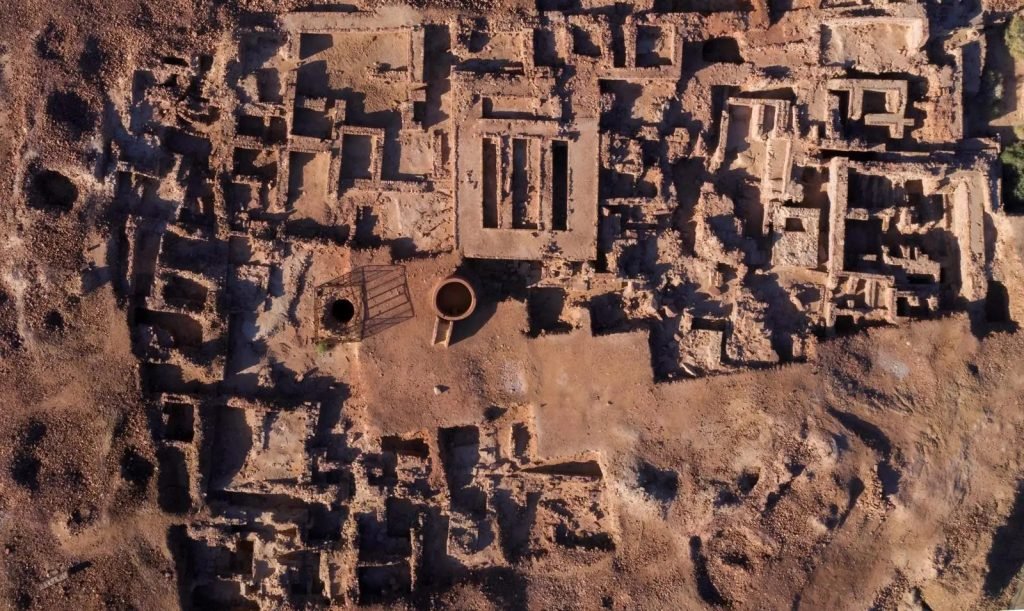
The ruins of Qurh include the remains of palaces, markets and streets reflecting a sophisticated way of life, and show early Islamic architectural influences, confirming continued settlement after the advent of Islam. The city also sat on the historic incense route linking the south of the Arabian Peninsula with its north, giving it a strategic role in regional trade.
As part of its efforts to revive national heritage, the Royal Commission for AlUla continues its work to study and document the site through excavation and archaeological survey projects in cooperation with international experts, aiming to uncover the secrets of this ancient city and highlight it as a prominent civilizational waypoint on pilgrimage and trade routes throughout history.