Prince Sattam University Marks Saudi National Day with Cultural Forum on Poetry and National Memory
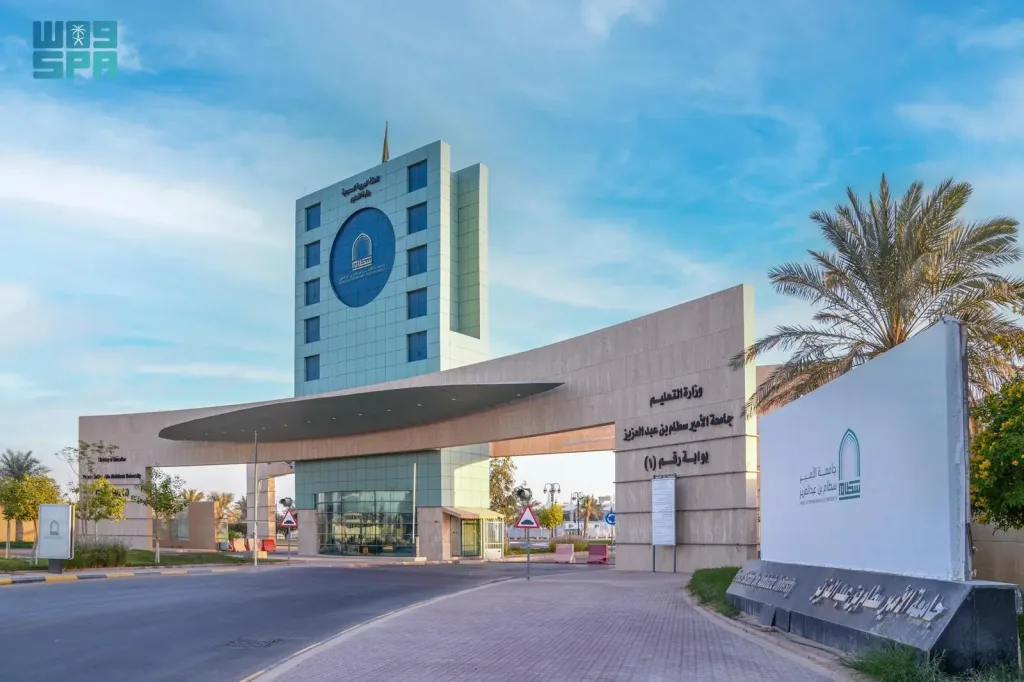
Prince Sattam bin Abdulaziz University held the second edition of the Sattam Cultural Forum on Monday, September 21, 2026, under the title “The Nation in the Memory of Poets and Writers.”
The event took place at the university’s main campus in Al-Kharj as part of activities marking Saudi National Day under the theme “Ezzna Btab’na.”
The forum hosted Dr. Khalaf Al-Thubaiti, Associate Professor of Literature and Criticism at the university’s Department of Arabic Language and Literature, and was attended by writers, media professionals, university leaders, faculty members, and staff.
National Poetry as a Record of History and Memory
During the forum, Dr. Al-Thubaiti discussed the significance of national poetry as an integral part of Arab cultural consciousness and a record of collective heritage and memory.
He highlighted the distinction between poetry written for a particular occasion and national poetry rooted in deeper emotional connections, noting that works inspired by genuine sentiment are more likely to remain part of collective memory.
The discussion also explored poetry’s role in documenting major national transformations throughout Saudi Arabia’s history and how the artistic development of national poetry has provided greater freedom of expression while maintaining meaningful themes centered on unity and belonging.
Poetry and the Values of Unity and Belonging
The forum highlighted the contribution of poetry, both classical and modern, to reinforcing national values, particularly unity, security, sacrifice, and belonging.
Dr. Al-Thubaiti also addressed contemporary linguistic challenges and emphasized the importance of coordinated efforts to preserve linguistic and intangible cultural heritage, highlighting the contribution of heritage preservation associations.
Universities as Guardians of Cultural Identity
The discussion emphasized the role of universities as important intellectual and academic institutions for safeguarding cultural identity and oral heritage.
Dr. Al-Thubaiti highlighted the responsibility of faculty members to encourage students to appreciate intangible cultural heritage while strengthening their connection to and pride in the Arabic language.